AI4Progress – Environment: Protecting the Planet, Ensuring the Future
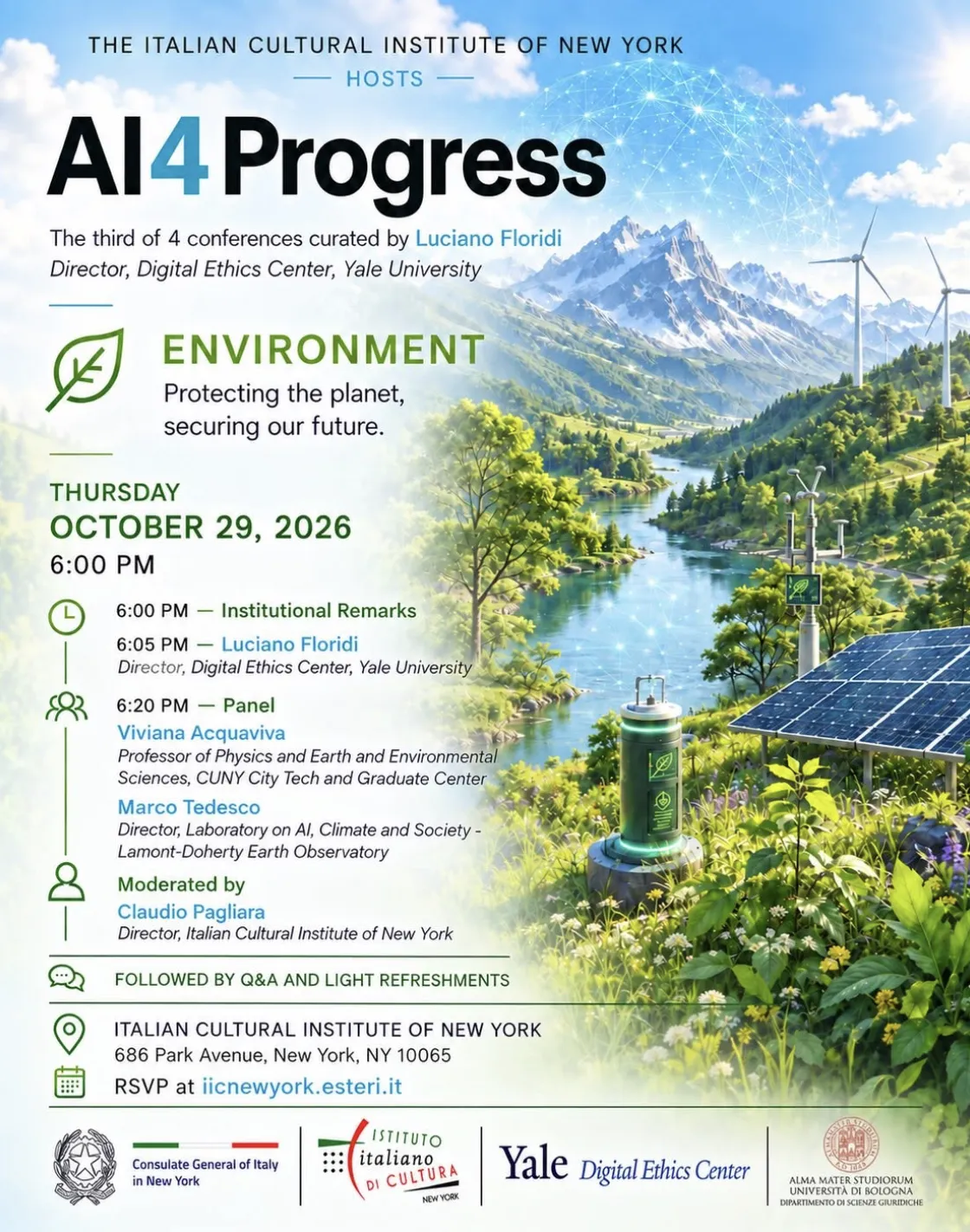
Can artificial intelligence not only help us better understand climate change but also protect the planet?
Viviana Acquaviva begins with data: how can machine learning identify relationships and signals in the vast streams of scientific information that escape human analysis? Marco Tedesco begins with the planet: how can AI, satellites, and climate models help us understand and predict environmental transformations that will have concrete consequences for our lives? From data to knowledge, from knowledge to prediction, from prediction to action.
There's a paradox to address: AI can help protect the planet, but it itself consumes energy and resources. How can we manage it to ensure a positive environmental impact?
6:00 PM – Institutional Greeting
6:05 PM – Introduction
Luciano Florid i – Director, Digital Ethics Center, Yale University
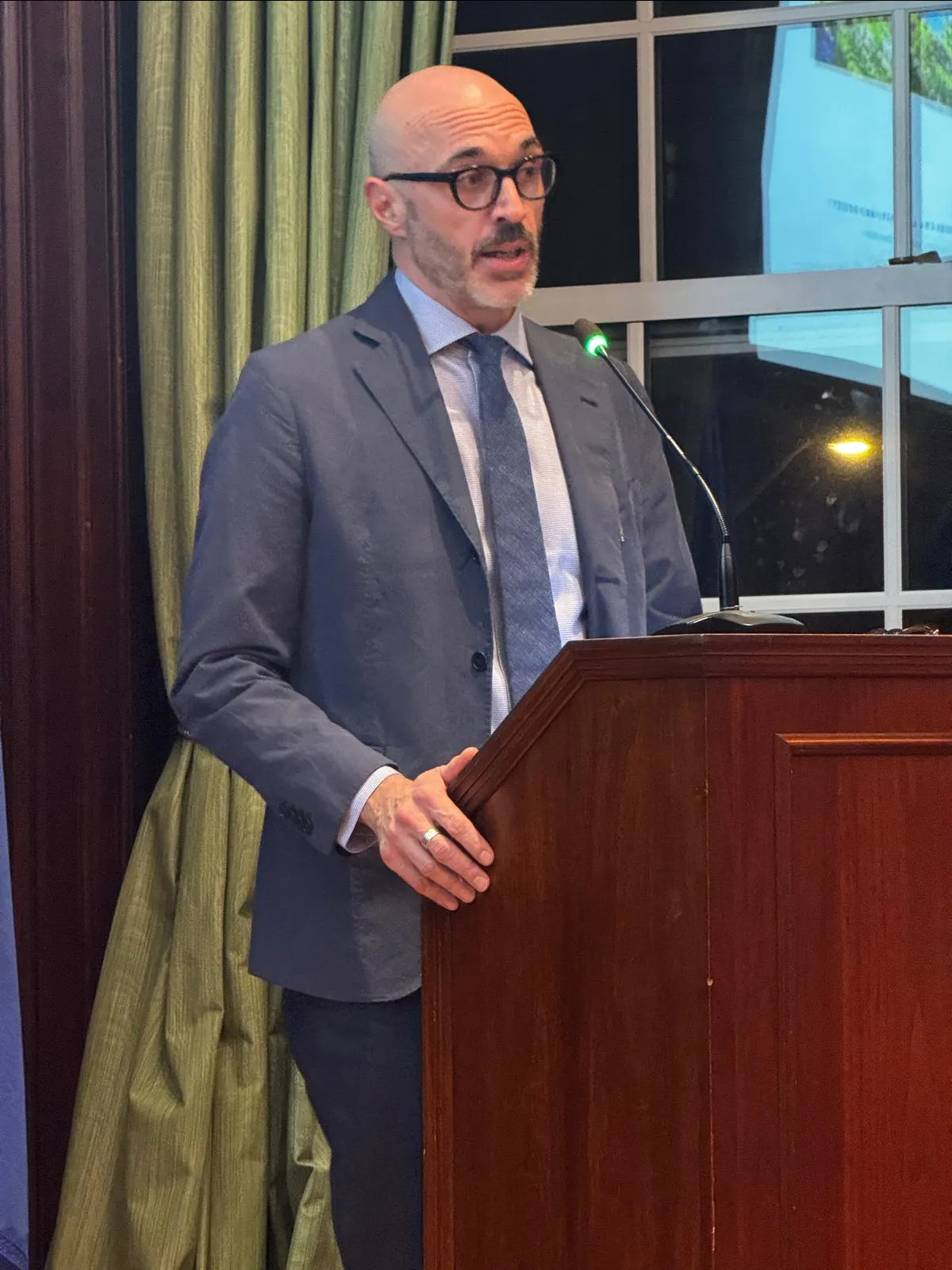
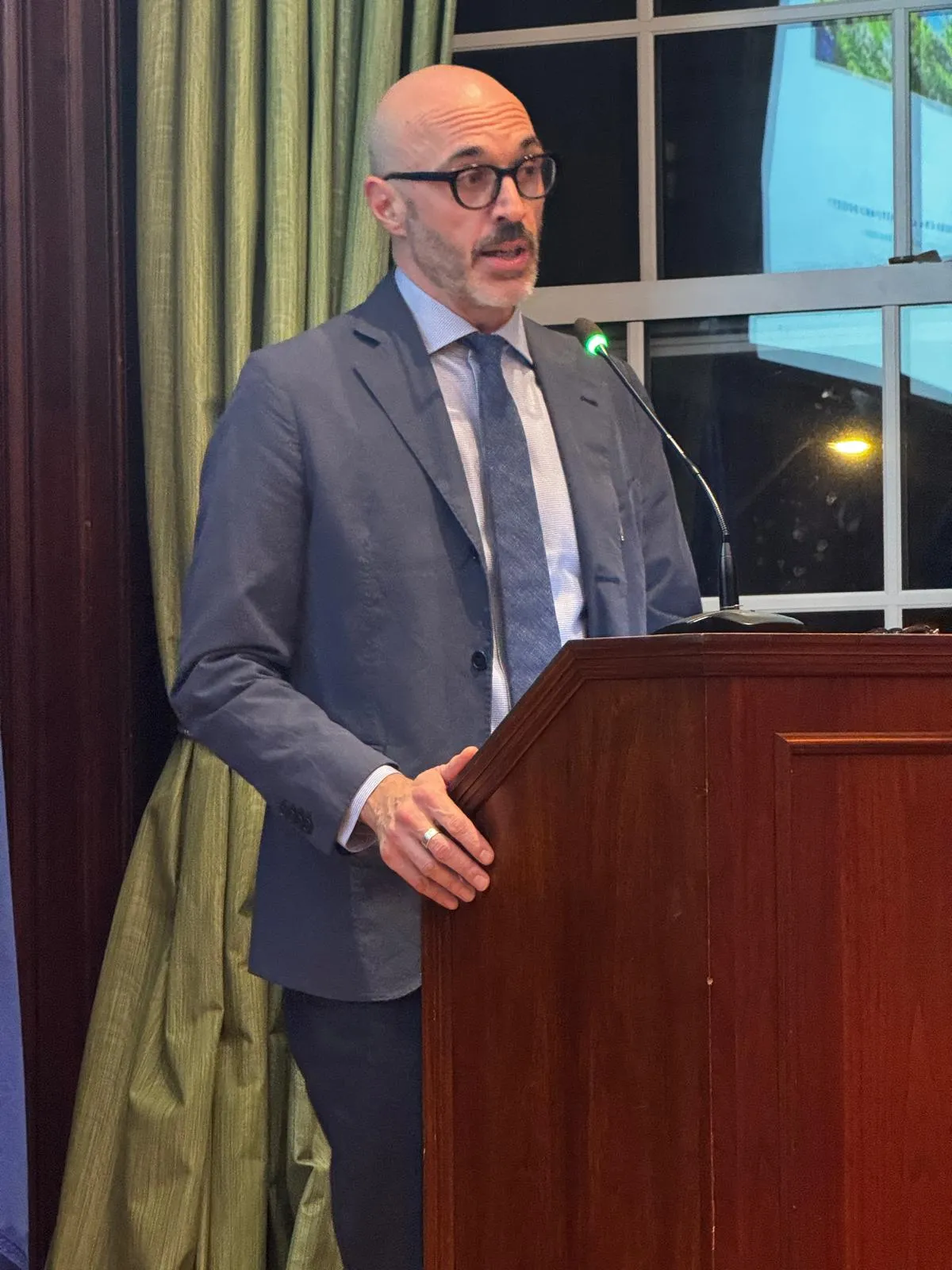
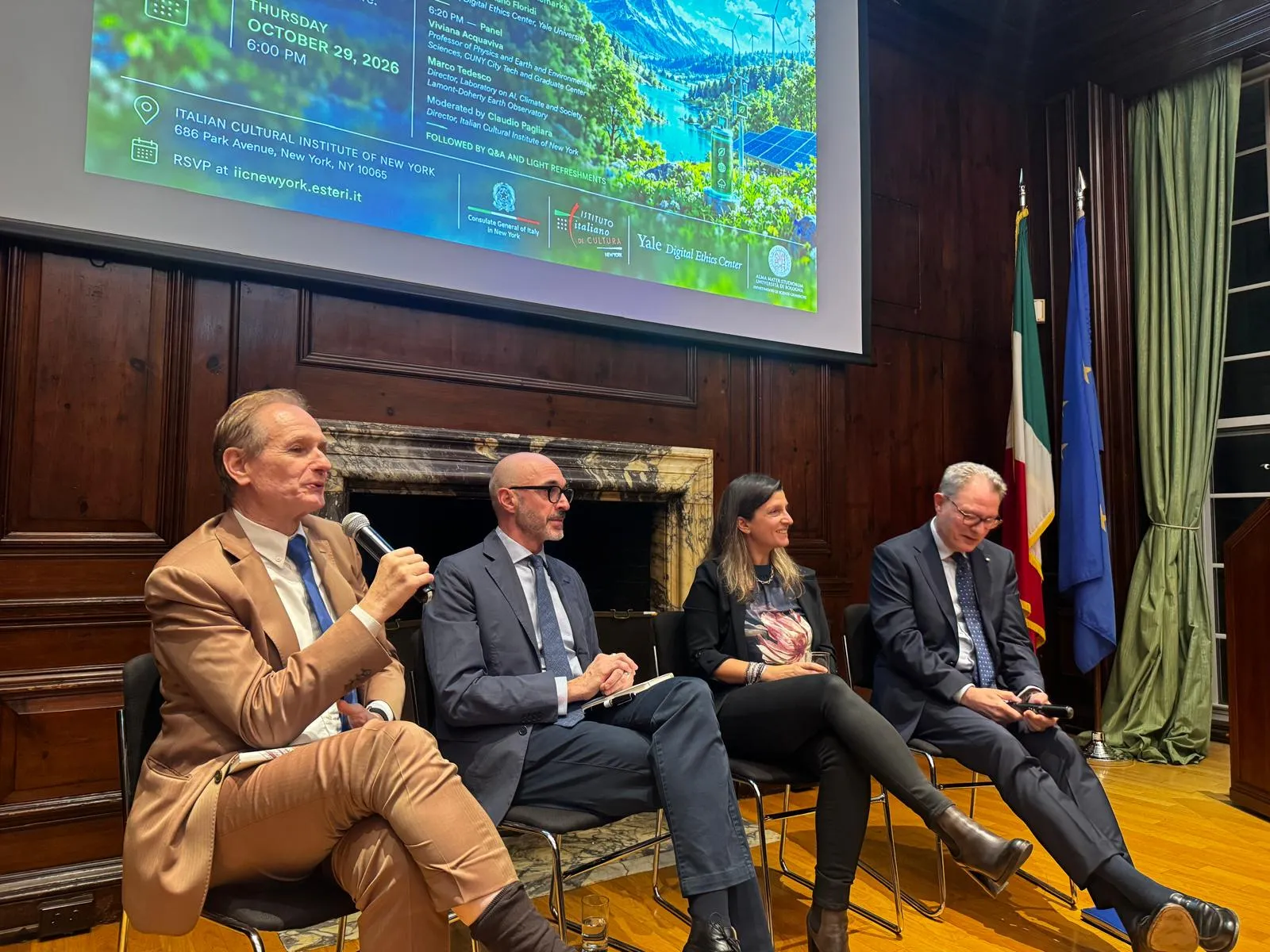
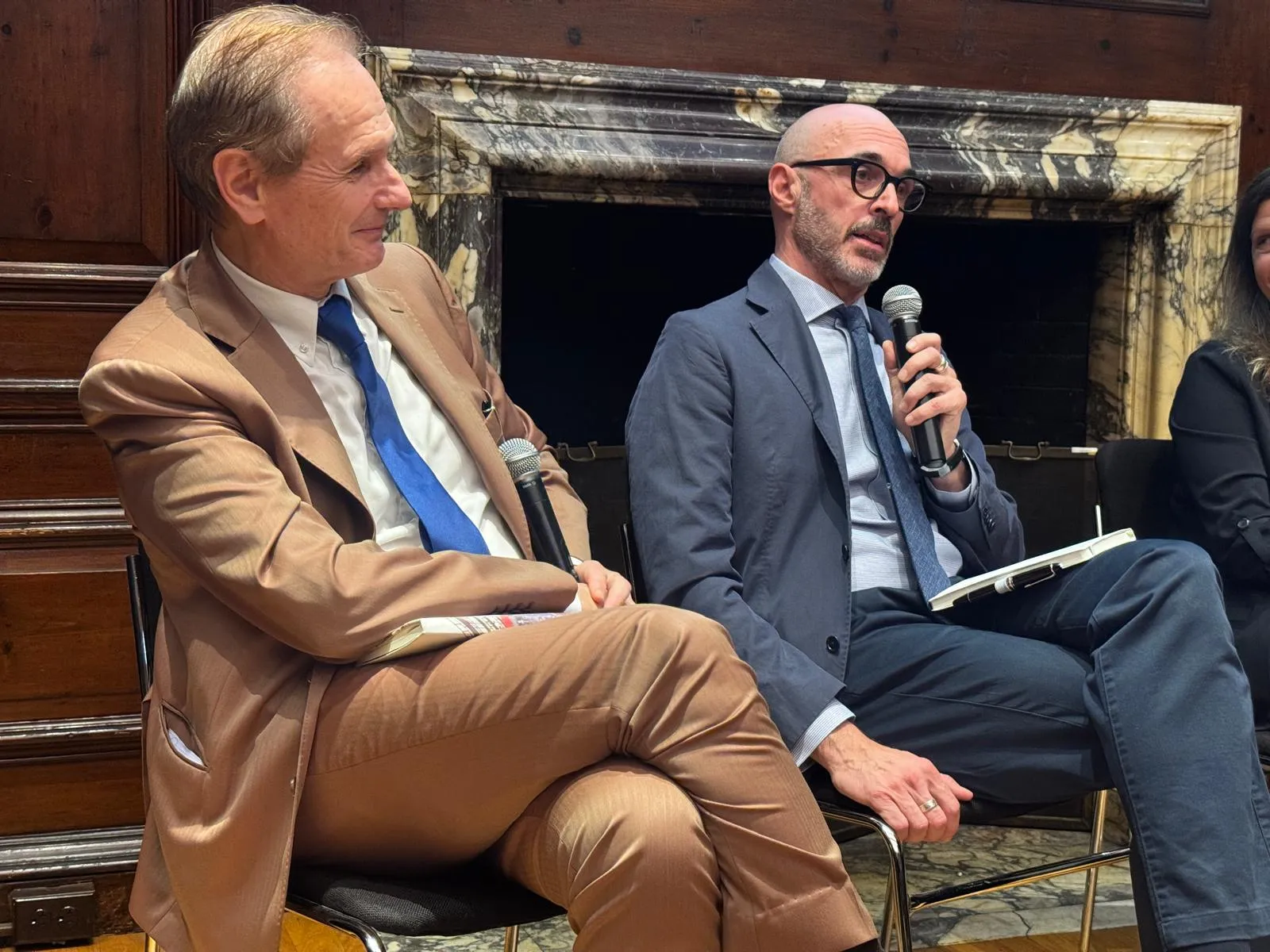
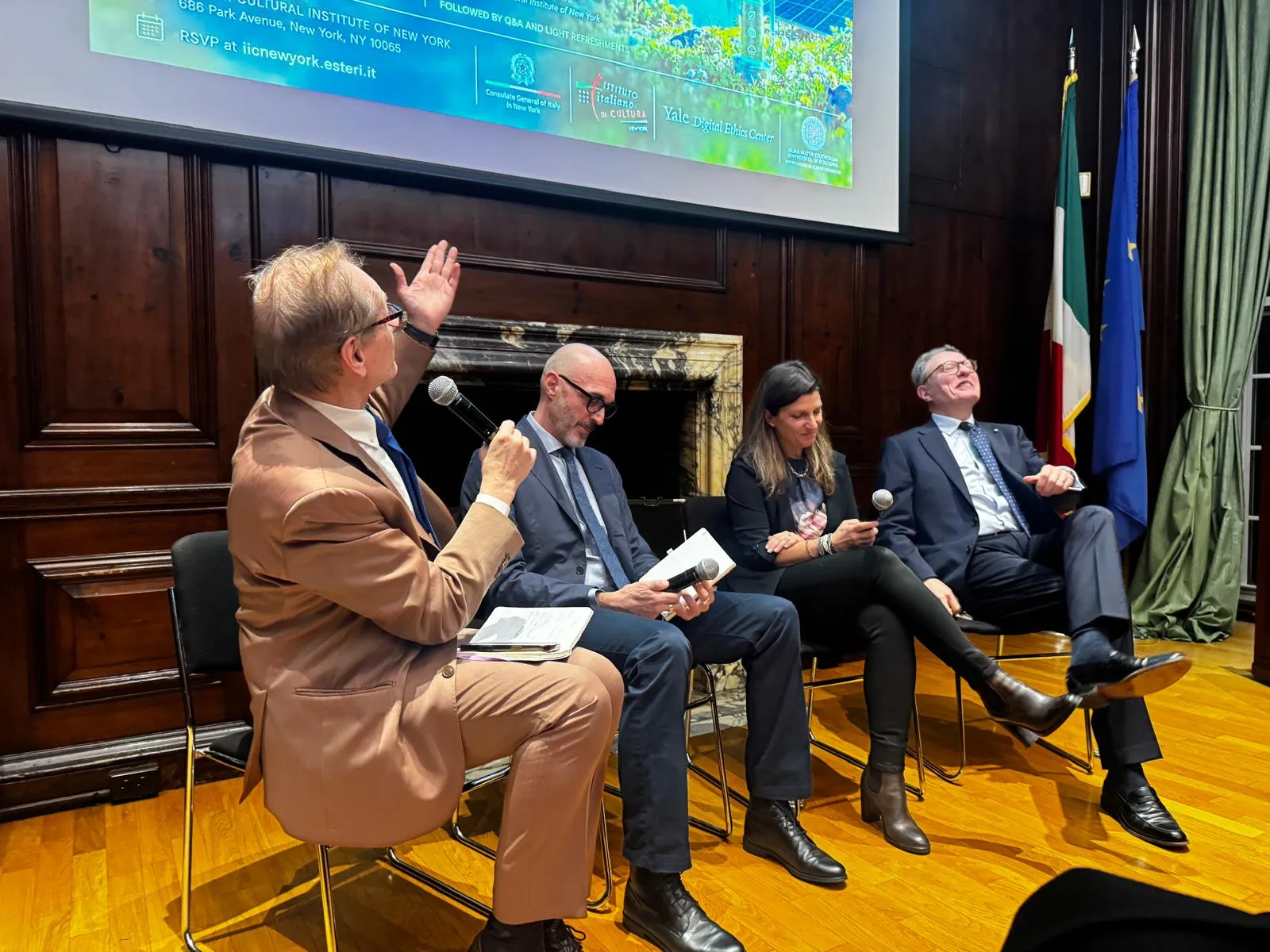
6:20 PM – Panel
Viviana Acquaviva , Professor of Physics and Earth and Environmental Sciences, CUNY City Tech and Graduate Center
Marco Tedesco , Lamont Research Professor, Lamont-Doherty Earth Observatory, Columbia Climate School and Director, Laboratory on AI, Climate and Society – Lamont-Doherty Earth Observatory
Moderated by Claudio Pagliara – director of the Italian Cultural Institute of New York
This is the third of four lectures curated by Luciano Floridi, in collaboration with the Italian Cultural Institute in New York. Each lecture addresses a crucial theme for human progress.
Artificial intelligence poses risks, some of them serious, which we do not intend to underestimate; but history has shown that technological innovation cannot simply be halted. The most useful question, therefore, is how this technology can be governed and directed toward human progress, rather than allowed to jeopardize it. Each evening therefore brings together two speakers with different—and sometimes conflicting—perspectives in a conversation designed to be insightful, lively, and accessible to a non-specialist audience.